Caravan or Motorhome: How They Differ and Which Suits You
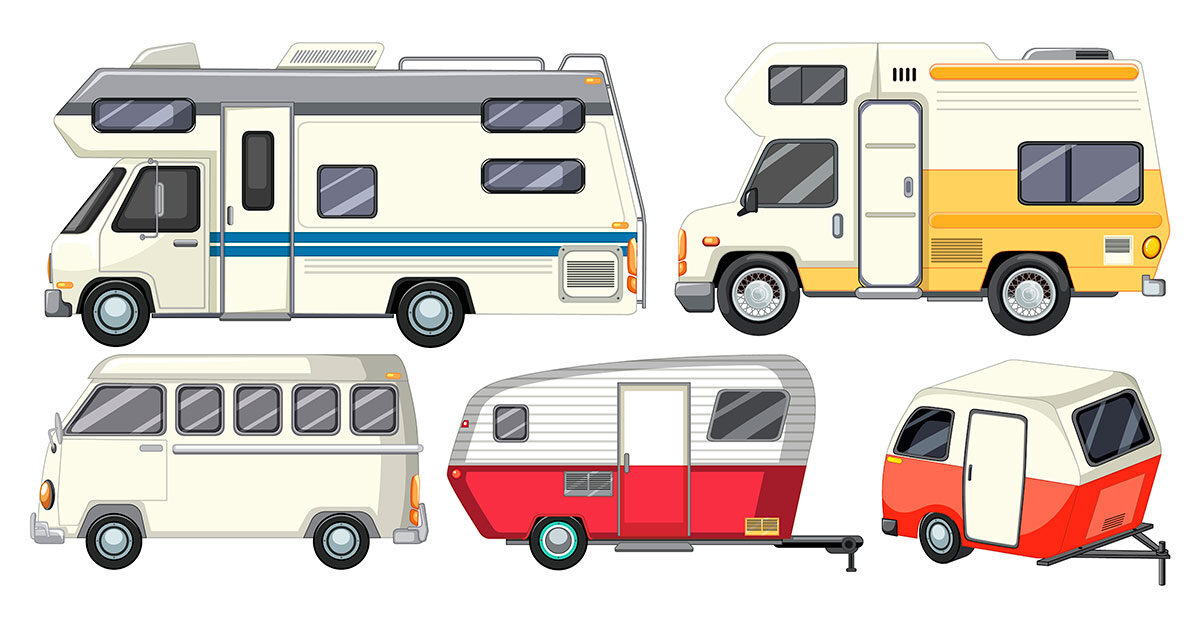
Anyone thinking about getting into caravanning sooner or later runs into the same question: caravan or motorhome? Both let you sleep in your own bed wherever you go and cook wherever you fancy, but they work in very different ways. And that difference shapes how you travel, how much you spend and even where you can park. Before you reach for your wallet, it pays to be clear about it. Here we go through it plainly, with the pros, the cons and a few details that rarely make it into the brochures.
What each one is, and how they really differ
The caravan: a trailer with a home inside
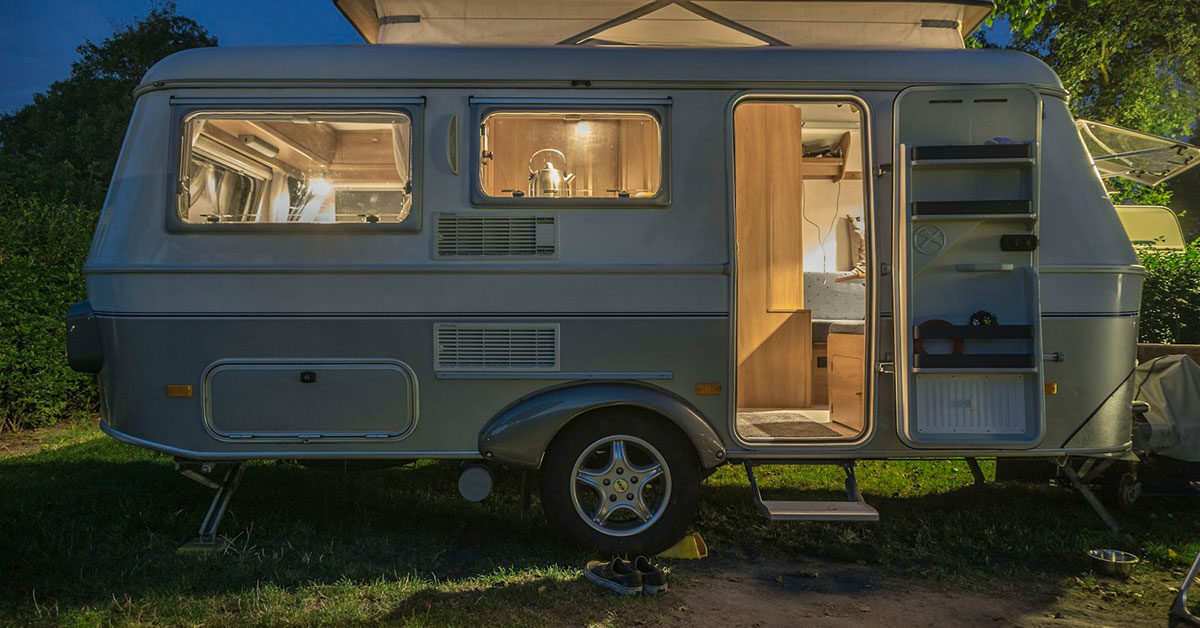
A caravan is, at heart, a trailer you can live in. It has no engine, so on its own it goes nowhere: you hitch it to a car with enough power and a suitable tow bar, and your vehicle does the pulling. Inside you will find almost everything a small flat has (bed, kitchen, often a bathroom with a shower), but to move it you always depend on the car.
Its big advantage shows when you reach the campsite: you unhitch, leave the caravan set up on the pitch and get around in your car, free of the house on every errand. There is a catch, of course. Towing requires the right driving licence for the weight of the combination, a separate ITV (Spain's MOT) for the trailer as well as the car, and getting the hang of the manoeuvres. When you are not travelling, you also need somewhere to leave it; many people keep it in secure caravan storage and stop taking up space in the garage at home.
The motorhome: transport and home in one unit
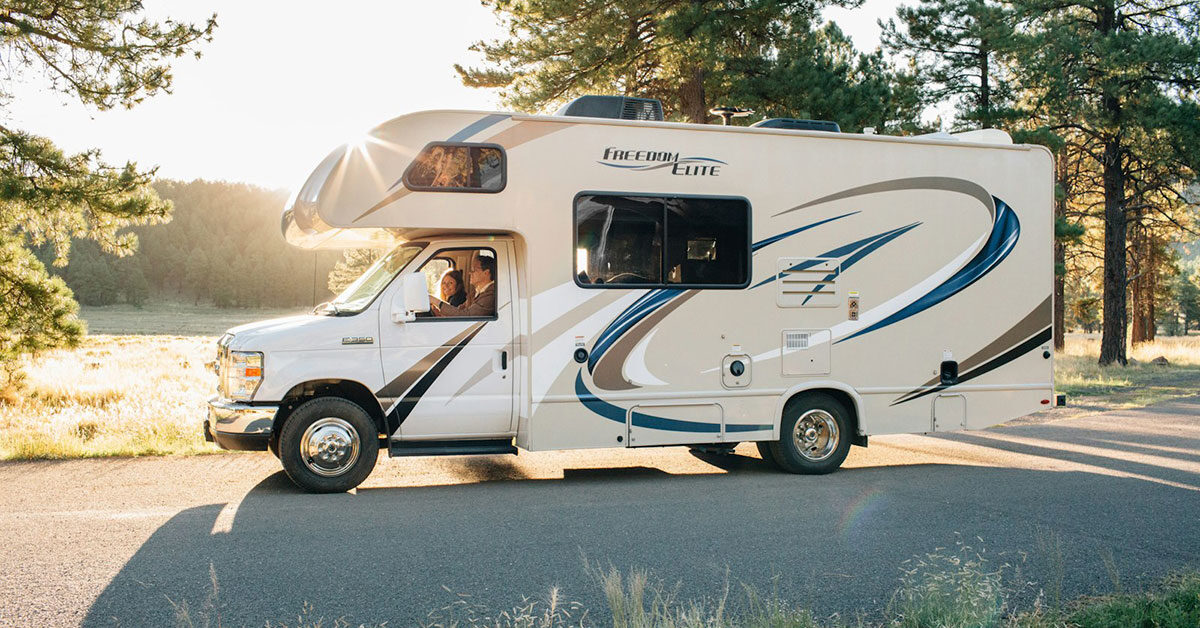
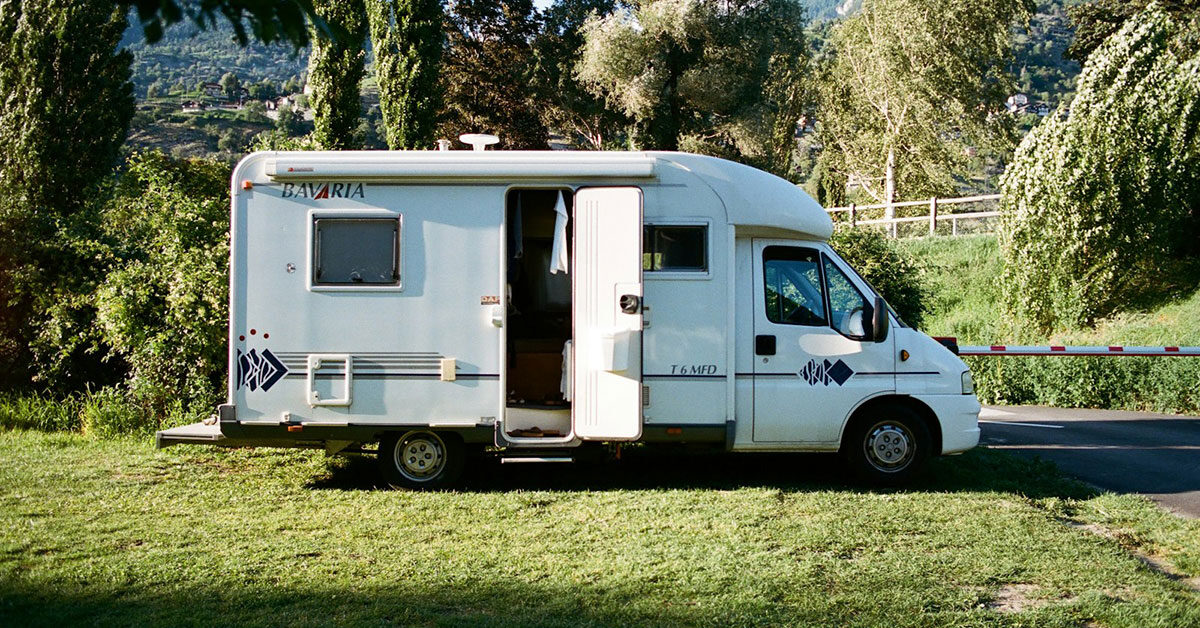
The motorhome does have its own engine and combines cab and living quarters in a single unit. You get in, start up and drive, with nothing behind you. There is one for every taste: from compact campervans to seven-metre models with a shower, heating and solar panels on the roof. The term "camper", incidentally, is broader and covers many of these variants.
What defines it is independence. You stop wherever you like, sleep and carry on, without unhitching anything. It carries its own water tanks, its own electrical system and, in the better-equipped models, heating and a three-way fridge. A self-sufficient home on wheels, in short.
It all comes down to how you get around
This is where the two philosophies show. With a motorhome, getting about is straightforward: what you see through the windscreen is what you are driving. It takes up more room than a car and parking takes some practice, but you adapt quickly. Towing is another story. It adds difficulty, especially when reversing or in narrow streets, because the trailer responds the opposite way to what you expect. In return, once you are set up at your destination, you get your whole car back. With a motorhome, on the other hand, every outing means moving your entire home. If you are spending five days on the same campsite, that difference is very noticeable.
Pros and cons, side by side
The good and the bad of a motorhome
Autonomy rules. You don't tow, you drive relaxed and you move on whenever you feel like it, with no preparation. Sleeping at designated areas, car parks or permitted spots takes a minute: you arrive, level up if needed and you are home. Upkeep, as it is a single vehicle, is concentrated in one set of mechanics.
The weak spot? As soon as you want to head off on an excursion, you have to disconnect everything, fold the awning away and take your home with you. Not very practical for day-to-day outings. Add a higher starting price than an equivalent caravan, fuel consumption of around 12 to 20 litres per 100 km depending on the model, and an ITV schedule specific to its category. And because the cab takes up part of the vehicle, the usable space is usually smaller than in a caravan of similar size.
The good and the bad of a caravan
The caravan wins over anyone who values space and freedom at the destination. You unhitch, and the car is available for whatever comes up: shopping, a visit, a trip to the beach. On long stays that is worth its weight in gold, which is why it is so popular with families and retired couples who spend weeks on the same campsite. For a similar price it usually offers more living space, because the whole body is given over to living. On top of that, the car's mechanics stay separate from the trailer.
Now for the small print. Towing has to be learnt, and the first attempts at reversing drive anyone to despair. Driving is more demanding, the car drinks more fuel pulling the combination and there are specific speed limits. Parking a car-plus-caravan rig outside prepared areas is a nuisance, and you need somewhere to store it when the season ends. The ITV doubles up: one for the car, another for the trailer. And goodbye to spontaneity: you can't just pull up and sleep anywhere without first working out where to fit such a long rig.
What each one costs to run
The purchase price is just the tip of the iceberg. A motorhome, being a complete motor vehicle, carries the upkeep of the engine, transmission and all the mechanical side, plus that of the living quarters. Insurance is more expensive because of the value of the whole unit, and fuel costs soar with the larger models.
A caravan escapes almost all the mechanics, since it has no engine. In return, the car towing it suffers more wear and drinks more, especially over mountain passes. You keep up two ITVs, although the trailer's is usually less frequent. Watch the caravan's tyres, which crack from standing still for long periods. Insurance, on the other hand, is cheaper than for a motorhome of similar spec. The verdict? If you cover a lot of kilometres each year, a car-and-caravan combination can cost as much to run as a motorhome; if you only travel now and then, the caravan works out cheaper in the long run.
For a beginner, which causes fewer headaches?
Depending on your experience behind the wheel
If you have never driven anything bigger than a car or towed anything in your life, a campervan or a compact motorhome will make it easy for you. They drive almost like an ordinary van and you don't have to wrestle with a trailer that does the opposite of what you want. Anyone who already has a car with a tow bar and has towed a boat or a builder's trailer before has a head start: for that person, starting with a caravan is viable and a good deal cheaper, because they get more space for less money. The rule veterans repeat is simple: choose whatever intimidates you less. If towing stresses you out, a motorhome takes that fear away; if you would rather keep using your usual car and hitch on a trailer you can drop off, the caravan is your ally.
Manoeuvring and parking
With a motorhome, manoeuvring is honest: you turn the wheel and the whole vehicle goes where you point it. It needs room and a bit of judgement for distances, but there are no tricks. Campervans and compact models slip into almost any gap, and with a reversing camera parking stops being a drama. Towing changes the script. To turn the trailer right when reversing, you first have to steer left; a mental gymnastics that you master with practice on an empty patch of ground. Many caravanners simply plan their routes and stops so they are never forced into those fine manoeuvres. And it works: in the end, the difficulty turns out to be more psychological than real.
What you need to know before towing
Towing has its rules, and breaking them is costly. First check that your driving licence covers the weight you are going to tow, because depending on the maximum mass of the combination you may need an upgrade. The car must be approved for towing and have the tow bar fitted by people who know what they are doing. Your vehicle's towing capacity sets the limit: exceeding it is not only illegal, it is genuinely dangerous. Driving with a caravan means changing your mindset: more following distance, braking early, no sudden steering. Crosswinds and lorries overtaking you cause the kind of sway that is frightening at first; you correct it by easing off the accelerator gently, without braking hard. And look after how the load is distributed inside, because a badly balanced caravan pulls the car about nastily. With all this in mind, thousands of people tow every summer without the slightest scare.
Depending on how you travel, one or the other wins
Long routes and a different place every night
When your plan is to clock up the kilometres and sleep somewhere different every night, the motorhome is made for it. You decide where to stop as you go, without hunting for room for a seven-metre rig. A motorhome stopover area (aire), a car park where it is permitted or a spot in the countryside where it is authorised: you arrive, level up and go to sleep. That time saved translates into more hours enjoying yourself and fewer setting up and packing away. For a road trip crossing regions or countries, that freedom is priceless. And on long journeys it is a relief to be able to stop for lunch or stretch your legs without leaving your own space.
When the caravan is the logical choice
If your thing is settling in for a week or two on the same campsite and heading off on day trips, the caravan wins hands down. You leave it levelled and plugged into water and electricity, unhitch the car and you have transport to get around the nearby villages without lugging anything with you. That is impossible with a motorhome: every outing means breaking camp. Families with children who holiday on campsites know this only too well. And because the whole caravan is living space, for the same money you enjoy more room, which you appreciate when the weather forces you to spend hours inside. Another big advantage: you don't need an enormous vehicle parked all year round. You hitch up the caravan when it is time to travel and the rest of the time you keep it in a storage facility while you use your everyday car completely normally.
Camper, campervan and motorhome: not the same thing
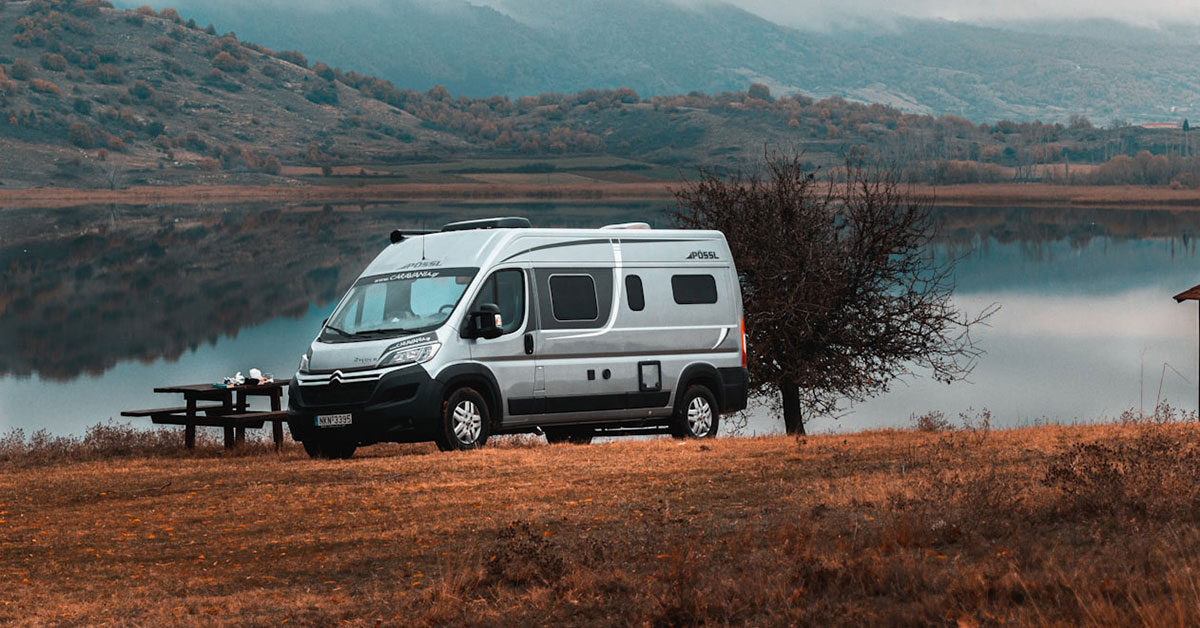
It is worth clarifying the terms, which get mixed up all the time. "Camper" is the umbrella: almost any vehicle fitted out for sleeping comes under it. A campervan is a converted commercial van, with the basics for living (bed, small kitchen, some storage and sometimes a portable chemical toilet). They are the most discreet and easy to handle, they park in a normal space and go unnoticed in town, which wins over urban travellers. In return, space is tight and comforts are minimal. The motorhome plays on a different scale: a van or light-truck chassis, a full habitation area with a proper kitchen, a bathroom with a shower, a lounge and plenty of wardrobe space. More comfort, more room, but also more vehicle to move and park. Going smaller gives you agility; going bigger gives you comfort. That is the eternal balance.
How to decide without getting it wrong
The types you will find on the market
Among motorhomes there are low-profile models (cab and living area in one continuous, aerodynamic line), A-class (integrated) models (the height of luxury, with huge windows and a loft-like feel), over-cab models (with that characteristic bed above the cab) and campervans, the most agile of all. Caravans also come in a range: lightweight touring models for mid-powered cars, family caravans with several separate areas, and folding campers or trailer tents that unfold on the pitch and pack away to nothing. In the end, both families offer versions for every budget and every use; the important thing is to look not just at whether you want a caravan or a motorhome, but at the sub-type that fits your budget, your confidence behind the wheel and how many of you will usually be travelling.
Practical details people forget when buying
Both need an ITV, on different schedules. The motorhome follows the one for its category; the caravan usually has longer intervals between inspections, but remember you will be managing two. Unhitching is perhaps the most tangible day-to-day difference: arriving, levelling, connecting services and dropping off the car takes twenty or thirty minutes, and from then on you are free. With a motorhome, every move means disconnecting, packing away the awning and chairs, and taking the house with you. Some people get round it by carrying bikes or a small car on a trailer, although that adds cost and hassle. For visits to historic town centres or cities with impossible streets, parking the car you have unhitched from a caravan wins easily. For sleeping wherever the road takes you, the motorhome has no rival. Be honest with yourself: will you set up a fixed base with day trips, or move on every couple of days?
The questions that really matter
Before deciding, sit down and answer a few. How often are you going to go away? For short weekend breaks, the speed of a motorhome counts for a lot. How many of you travel? Large families need the space of a big caravan or an A-class. Touring or long stays? The former call for a motorhome; the latter make the caravan shine. Do you already have a car with a tow bar? If so, the caravan lowers the cost of entry. Can you see yourself towing? If the very idea makes you tense and you don't plan to practise, a motorhome spares you the ordeal. And one that almost nobody considers in time: where are you going to store the vehicle during the months you are not travelling? Having that space sorted avoids more than one headache, and if in doubt you can always ask about prices and availability before you buy. Many veterans, incidentally, advise renting each type for a week before putting your hand in your pocket. Real experience is worth more than any comparison table.
Caravans and motorhomes on the campsite
How each one fits on the pitch
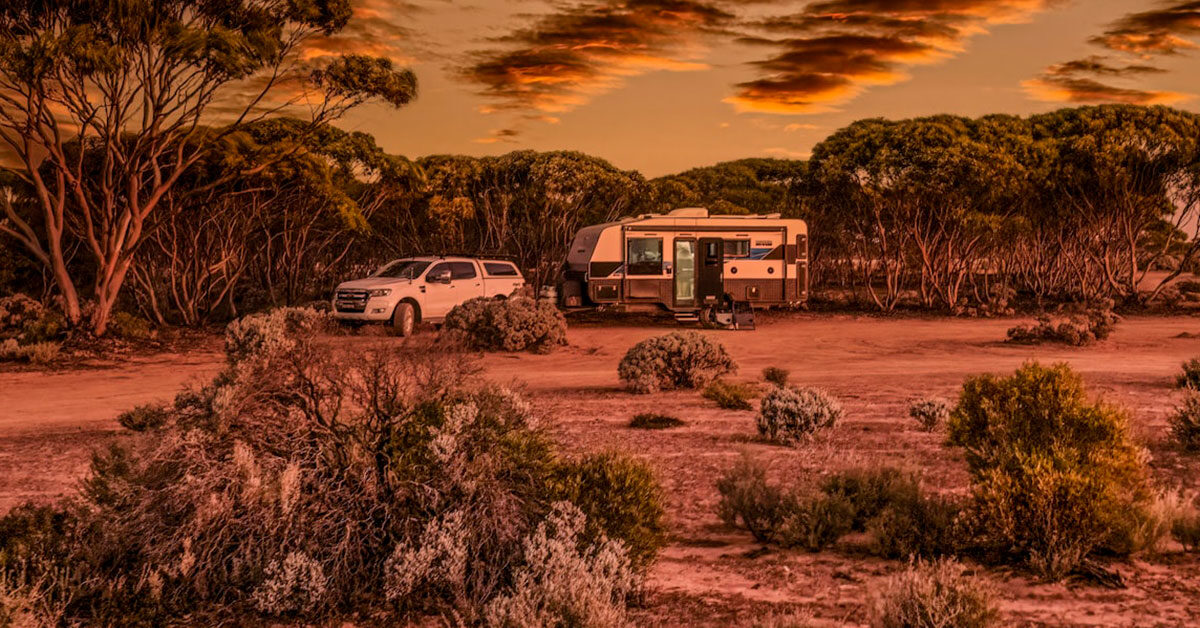
On a campsite with pitches, electricity, water and drainage, both perform wonderfully, each in its own way. With a caravan you set up the trailer, put out the awning, hook up and unhitch the car, which you park right there or in the designated area. From then on your vehicle is available without dismantling anything, perfect for stays of a week or more. A motorhome fits in just as well and sets up even faster, because there is nothing to unhitch; the price you pay is that, to get around, you either pack everything up or rely on bikes. As a rule, the caravan works best where you are going to put down roots for a few days and make the most of the facilities (pool, restaurant, entertainment), while the motorhome shines on short stays or when the campsite is just your base for sleeping between stages.
Space and comforts inside
As a rule, a caravan offers more living space for the same money, because it does not set aside room for an engine or cab. A six-metre caravan has room for separate bedrooms, a spacious lounge, a full kitchen and a bathroom with a shower, with a more rectangular and usable interior. Motorhomes, especially A-class and over-cab models, have worked wonders optimising every corner: fold-down beds, convertible tables, storage where you least expect it. As for equipment, the difference depends more on budget than on type: heating, air conditioning, hot water, a three-way fridge and a full bathroom are fitted in both. High-end models add solar panels, satellite TV and even a garage for a motorbike. One point of perception: a caravan, standing still while in use, feels more stable and homely; a motorhome wins on practicality, although it can sometimes feel a little short on room.
So, which one should I go for?
There is no single answer, and anyone who sells you one is lying. Be realistic about your experience: if towing makes you dizzy and you are not going to practise, a motorhome removes that barrier. Look at the full cost —insurance, upkeep, fuel and storage over several years— not just the price tag. Think about how you really travel: those who move on every couple of days tend to be happier with a motorhome; those who spend weeks on a campsite appreciate being able to drop off the car. And bear in mind that your needs will change over time; some caravanners start with one option and end up with the other. If you can, rent, visit shows and talk to real owners at campsites and aires; they are happy to share their tips. In the end you will find that the specific choice matters less than the freedom of sleeping wherever you like. Safe travels, whether with an engine or a tow bar.