Does a Motorhome Fit in a Garage Space? Dimensions, Access and Storage Alternatives
Almost everyone who buys their first motorhome or campervan asks the same question the week before collecting it: will it fit in my garage? The short answer is almost never. The long answer depends on the vehicle's dimensions and the height of the door, and also on what your town's ordenanza municipal (local bylaw) says. Let us take it step by step, and at the end we will look at the alternatives for parking and for stopping overnight on your travels when your garage at home is too small.
How big does a garage need to be to store a motorhome?
Before you buy a space or alter the one you already have, you need to know two things: how big the vehicle really is and what access it requires. A motorhome is nothing like a car. It is considerably longer and, above all, much taller, and that decides whether there is room for it in a shared residential garage or a private one.
What are the average dimensions of a motorhome or campervan?
There is everything from the converted van to the top-of-the-range A-class, by way of over-cab models. As a guide, a motorhome or campervan is between 5.5 and 7 metres long and between 2 and 2.3 metres wide including mirrors. Height is the problem: it rarely drops below 2.7 metres and on large models reaches 3.2, counting the roof light or the roof-mounted air conditioning. With those figures in front of you, a space designed for a small car starts to look like what it is: a space for small cars.
What minimum height does the garage entrance need?
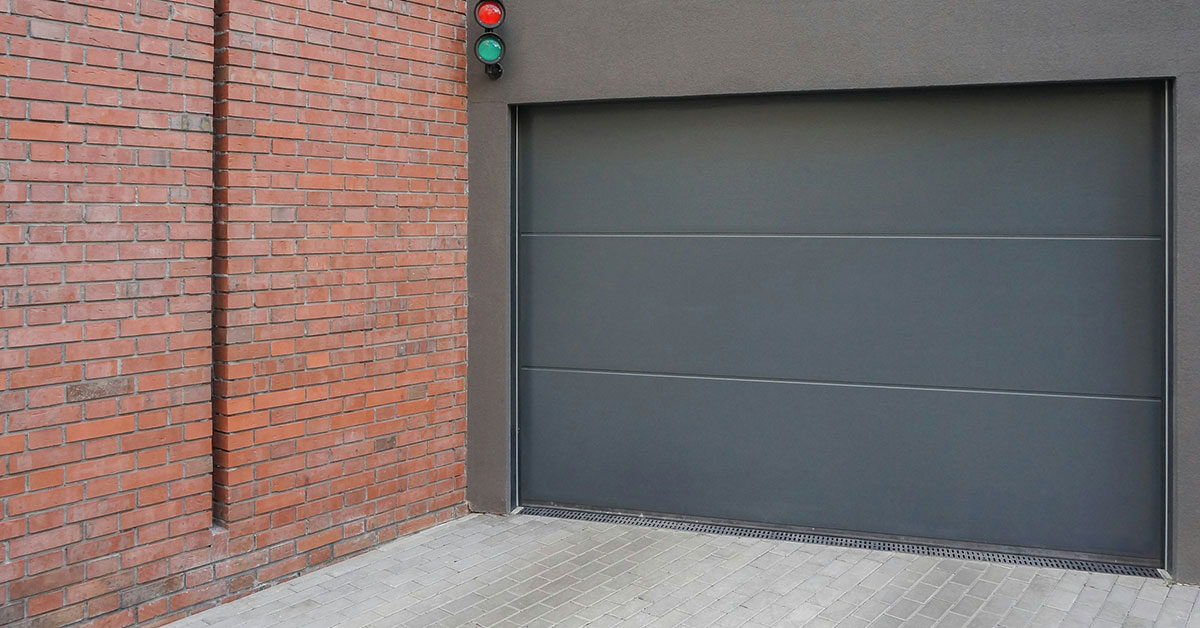
Height is what rules out most garages. In residential blocks the entrance door is usually between 2 and 2.2 metres, which falls well short for most motorhomes on the market (some low-roof campervans do get through, just). And measuring the ramp is not enough. Inside the garage, a beam or a communal pipe can take away 20 or 30 centimetres right where your space is.
How can I work out whether my space is suitable for this kind of vehicle?
Get the tape measure out and measure the whole space. Then the entrances and the aisles you will drive along inside the garage. It is sensible to allow at least a metre of margin on the vehicle's length and width to get in and out without scraping pillars or neighbours' cars. Walk the route from the street to the space as well: a very steep ramp or a tight turn between two pillars is enough to stop a 7-metre motorhome from manoeuvring, however well the space itself fits.
What do the DGT rules say about parking motorhomes?
The DGT (Spain's Directorate-General for Traffic) sets its own criteria for parking motorhomes on public roads, and its starting point is the difference between parking and camping. The latter is prohibited and fined in most Spanish municipalities.
Is it legal to park a motorhome on the street like a car?
Yes. As far as the rules are concerned, a motorhome can park on the street just like any car, provided it obeys the signs and fits in a single space without causing an obstruction. However, each town hall has leeway to set height limits or maximum parking times in certain areas. If your route takes in several towns, check each one's bylaws beforehand, because what is allowed in one may be banned in the next.
What is the difference between parking and camping under the rules?
Parking means leaving the vehicle stationary in a permitted place, without putting out awnings or chairs and without discharging grey or black water (toilet waste). Camping is the opposite. As soon as you put those things out or set up anything that suggests you are going to stay for a while for tourism purposes, you are no longer parked, and that is prohibited on public roads in the vast majority of municipalities.
What fines are there for breaking the parking rules?
Fines vary from one town hall to another and can range from €100 to €750 in the most serious cases. They are usually issued when an officer sees the awning out or chairs outside, or when someone empties their tanks outside an authorised area. To avoid a nasty surprise, read the rules before you set off. It is boring, but it works out a lot cheaper.
Where can I park my motorhome if it will not fit in the garage?
If your space is not big enough, there are other ways to keep the vehicle safe, both day to day in your own city and when you are travelling around Spain.
What are motorhome service areas and how do they work?
They are places designed for motorhomes to stop with basic services to hand, namely a waste disposal point and fresh water; many also have electric hook-up. They are run by the town hall or a private company, and you normally pay a daily fee that lets you use those services for a limited time. They are for travelling. For leaving the vehicle parked for months, no.
Are there specialist motorhome car parks in Spain?
Yes, and more and more, especially in tourist areas and cities with lots of leisure vehicles. They have bigger spaces than an ordinary car park, sized for motorhomes and campervans, with security and sometimes electric hook-up or a waste disposal point. In Valencia, our caravan and motorhome storage in Silla works like this: open-air gravel spaces, no roof to limit height and no slopes at the entrance, less than 5 km from the V-31.
What options are there for renting large spaces?
Renting large spaces for motorhomes, caravans and campervans has become quite widespread. You will find them in warehouses on industrial estates and in compounds dedicated solely to this. For anyone without a garage of their own it is the most stable solution, and it also gives you plenty of room to manoeuvre. In our case, the compound is enclosed and fenced, with 24-hour CCTV and an alarm connected to the police, and you can come and go whenever you like using an app and your personal code. You can see our monthly and annual prices: €45 per month, or €480 a year on an annual contract (€40 per month). If you want it under cover, a space in indoor storage costs €100 per month.
How do you choose a motorhome stopover area (aire) to stay overnight on your travels?
When you are on the road, choosing the right aire makes the difference between a quiet night and a visit from the local police at eleven o'clock.
What services should a motorhome aire offer?
At the very least, grey and black water disposal and fresh water. Rubbish collection goes without saying. Many add electric hook-up, which is very welcome on stays of several days, especially in winter.
Is staying overnight the same as camping in a motorhome?
No. Staying overnight means sleeping inside the vehicle without putting anything outside. Camping involves an awning, chairs or anything else that takes up the space around the vehicle, and it is restricted outside campsites and areas authorised for it.
Which apps or websites help you find motorhome aires in Spain?
There are many apps and websites that map motorhome aires across the country. With them you can plan your route in advance and know beforehand what services each stop has, which is very useful if you travel often.
What common problems come up when touring towns and cities by motorhome?
In urban areas the trouble almost always comes from the same place: where to leave the vehicle and how to get it along streets designed for cars.
How can I avoid fines for parking in prohibited areas?
Check the local rules beforehand and pay attention to the signs, especially those that limit height or ban motorhomes and campervans.
What should I do if I cannot find anywhere to park my campervan or van?
Make use of specialist apps, which show nearby car parks and aires suited to this type of vehicle. If what you are after is the practical difference between storing a caravan and a campervan, you will find it in this article on caravans and campervans.
How does the size of the vehicle affect manoeuvrability in a car park?
A great deal. In a conventional car park every manoeuvre is a small test, so whenever you can, choose roomy spaces.
Is it worth buying or renting a garage adapted for motorhomes?
That leaves the question of money: is it better value to have your own adapted garage or to use car parks and service areas?
What are the advantages of your own garage for your motorhome?
Security and convenience, above all. You save yourself the trips back and forth to an outside car park every time you want to head off.
How can you adapt a standard garage space for this kind of vehicle?
It usually means enlarging the door, removing obstacles and installing suitable electrics. In a residential block, the first of these almost always runs up against the residents' association.
What are the costs of a permanent space compared with service areas?
Your own garage requires a high initial investment, although in the long run it can work out cheaper than paying for one aire after another. Between those two extremes there is storage at a specialist compound, which in Silla costs €40 per month on the annual rate and lets you leave your car there while you are using the motorhome. If that suits you, ask for a space on WhatsApp at 637 300 602.